ge self-cleaning oven manual
The GE Self-Cleaning Oven Manual is a comprehensive guide designed to help users effectively utilize and maintain their oven. It details the self-cleaning feature, safety precautions, and maintenance tips for optimal performance and longevity.
Overview of the Self-Cleaning Feature
The self-cleaning feature in GE ovens simplifies maintenance by using high temperatures to burn food residue into ash. This process eliminates the need for harsh chemicals, making cleaning more efficient. Users must remove racks and heavy soil before starting the cycle. Proper ventilation is essential to prevent fumes. The feature is designed for convenience, ensuring a cleaner oven with minimal effort. Regular use of this feature helps maintain oven performance and appearance over time.
Benefits of Using a Self-Cleaning Oven
The self-cleaning feature reduces manual labor by eliminating the need for scrubbing. It uses high heat to burn food residue, avoiding harsh chemicals. This eco-friendly option ensures a cleaner oven without toxic fumes. Proper ventilation is essential, but the process is efficient. Regular use prevents grime buildup, making future cleaning easier. The feature is user-friendly, requiring only a button press, making it a convenient and efficient solution for maintaining oven hygiene and appearance.

Understanding the Self-Cleaning Technology
The GE self-cleaning technology uses high heat to burn food residue, supported by advanced insulation and a time-controlled system for efficient, energy-focused cleaning.
How the Self-Cleaning Cycle Works
The self-cleaning cycle uses extreme heat, up to 900°F, to burn food residue into ash. The oven locks during this process, which can last 2-4 hours. Advanced insulation traps heat, ensuring efficient cleaning. Once complete, the oven cools, and the ash is easily wiped away. This high-temperature method eliminates tough stains without chemicals, making it both effective and energy-conscious. Proper ventilation is essential during the cycle to prevent fumes from spreading.
High-Temperature Cleaning Process
GE self-cleaning ovens use high heat, reaching up to 900°F, to incinerate food residue. This intense heat breaks down tough stains into ash, eliminating the need for harsh chemicals. The oven is designed to lock during the cycle, ensuring safety and efficiency. The process typically lasts 2-4 hours, depending on soil level. After cooling, the ash is effortlessly wiped away, leaving the oven interior clean. This method is both effective and energy-efficient, making it a convenient option for deep cleaning.
Preparing for the Self-Cleaning Cycle
Before starting, remove racks, shelves, and utensils. Wipe large debris and protect surrounding surfaces. Ensure the oven is empty and vents are clear for safe operation.
Removing Oven Racks and Accessories
Take out all racks, shelves, and utensils to prevent damage during high heat. Turn off the oven and let it cool slightly to avoid burns. Gently lift racks and place them in soapy water for cleaning. Ensure no accessories remain inside to prevent warping or fumes. For tough food residue, soak racks before scrubbing. This step ensures a safer and more effective cleaning cycle. Always handle racks with care to avoid injuries.
Cleaning the Oven Door and Seals
Clean the oven door and seals before starting the self-cleaning cycle to ensure optimal performance. Use a damp cloth and mild detergent to wipe the door’s exterior and glass. Avoid harsh chemicals or abrasive cleaners, as they may damage the finish. For the seals, gently remove food residue with a soft brush or cloth. Ensure the door is securely closed after cleaning to maintain heat retention. A clean door and seals improve efficiency and safety during the self-cleaning process.
Safety Precautions
Always turn off the oven and let it cool before cleaning. Keep children away during the self-cleaning cycle. Be cautious of hot surfaces and fumes. Ensure proper ventilation to avoid inhaling harmful gases. Wear protective gloves and eyewear when handling cleaning materials or touching hot surfaces. Never leave the oven unattended during the cleaning process.
Ensuring Proper Ventilation
Proper ventilation is crucial during the self-cleaning cycle to prevent harmful fumes from accumulating. Open windows and doors to ensure good airflow. Turn on exhaust fans to help remove smoke and odors. Keep the kitchen well-ventilated throughout the cycle. Avoid inhaling fumes directly, as they may contain particles and gases. Ensure the oven vent is clear of obstructions to maintain efficient airflow. Proper ventilation helps protect both people and pets from potential health risks associated with cleaning fumes.
Protecting Skin and Eyes During Cleaning
Always wear heat-resistant gloves and safety goggles when handling the oven during or after the self-cleaning cycle. Avoid direct contact with hot surfaces, as they can cause severe burns. Keep children and pets away from the oven while it is in use. After the cycle, allow the oven to cool before cleaning to prevent accidental burns. Use protective eyewear to shield against potential splashes of cleaning agents or residue. Prioritize skin and eye safety to avoid injuries during the cleaning process.

Step-by-Step Guide to Using the Self-Cleaning Feature
Select the self-clean cycle on the oven’s control panel, choose the desired duration, and press start. Follow on-screen instructions to complete the process safely and effectively.
Selecting the Self-Clean Cycle
To select the self-clean cycle, locate the feature on your GE oven’s control panel. Press the button labeled “Self Clean” or navigate through the menu options to find it. Once selected, the oven will prompt you to choose a cleaning duration, typically ranging from 2 to 4 hours depending on soil level. Confirm your selection, and the oven will automatically lock the door for safety. Always refer to your specific model’s manual for exact instructions, as controls may vary slightly.
Setting the Duration and Starting the Cycle
After selecting the self-clean cycle, use the control panel to choose the cleaning duration. Options typically include 2, 3, or 4 hours, depending on the oven’s soil level. Once the duration is set, press “Start” to begin the cycle. The oven will automatically lock the door for safety. Ensure the room is well-ventilated, as high temperatures may release strong odors. The cycle cannot be interrupted once started, so double-check your settings before starting. Refer to your manual for model-specific instructions.
Monitoring the Cleaning Process
Digital displays will show the remaining time during the cycle. Avoid opening the oven door until the cycle completes. If the door is opened too soon, the oven may pause or require a cooldown before restarting. Stay nearby to ensure safety and address any issues promptly. Check the display periodically for updates, but let the process complete as interrupted cycles may not clean effectively. Keep children and pets away during operation due to high temperatures. The oven will beep when the cycle is finished.
Post-Cleaning Maintenance
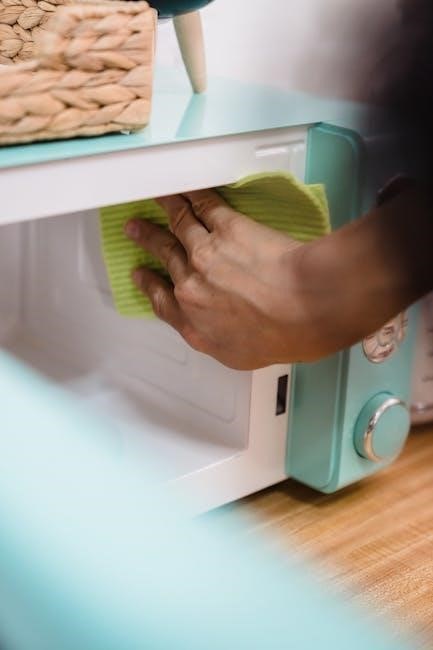
After the cycle, allow the oven to cool completely before wiping down the interior with a damp cloth to remove ash and residue.
Allowing the Oven to Cool Down
After the self-cleaning cycle, let the oven cool completely to avoid burns and ensure safety. This process may take several hours, depending on the oven’s size and intensity of the cycle. During cooling, keep the oven door closed to retain heat evenly. Once cooled, inspect racks and shelves for food residue. Avoid using the oven until it has fully cooled to prevent damage or uneven heating in future cycles. Proper cooling ensures the oven remains in good working condition for long-term use.
Wiping Down the Oven Interior
After the self-cleaning cycle and cooling, use a damp cloth to wipe down the oven interior. This removes any ash or residue left behind. Avoid using abrasive cleaners or scrubbers, as they may damage the finish. For tough spots, a soft sponge or paper towels can be used. Always wear gloves to protect your hands from sharp debris. Ensure all surfaces are clean before using the oven again. This step ensures a safe and hygienic cooking environment.
Troubleshooting Common Issues
Identify error codes, check power supply, and ensure proper sensor function. Clean oven sensors and verify door alignment for optimal performance. Consult the manual for specific solutions.
Issues with the Self-Clean Cycle Not Starting
If the self-clean cycle fails to start, check if the oven is in a locked state or if the child safety lock is activated. Ensure the power supply is stable and the oven is preheated to the correct temperature. Verify that the oven door is properly closed and aligned. Check for any error codes on the display and consult the manual for specific solutions. Resetting the oven or contacting GE support may be necessary if issues persist.
Dealing with Residual Odors After Cleaning
Residual odors after cleaning may occur due to remaining food residue or incomplete burning during the cycle. To eliminate these smells, leave the oven door slightly open after cleaning to allow fresh air to circulate. Wipe the interior with a damp cloth or mix baking soda and water to neutralize odors; For persistent smells, run a short self-clean cycle or use white vinegar on a warm oven setting. Proper ventilation during and after cleaning is key to minimizing lingering odors.
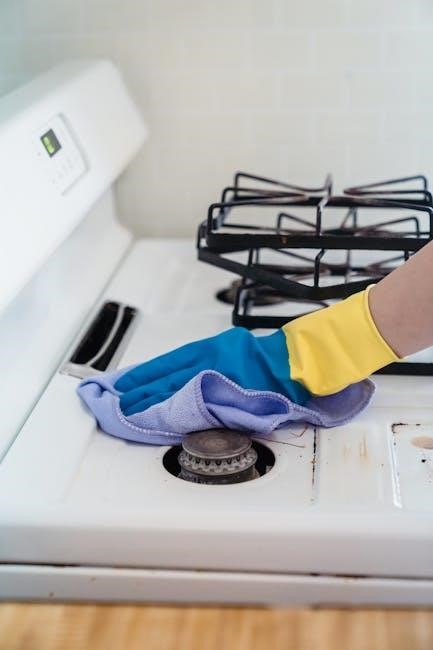
Additional Tips for Effective Cleaning
Regular light cleaning prevents tough buildup. Use mild detergents, avoid harsh chemicals, and clean spills promptly. Maintain your oven’s condition for optimal performance and longevity.
Regular Light Cleaning to Prevent Build-Up
Regular light cleaning is essential to prevent tough residue buildup in your GE self-cleaning oven. Wipe down interior surfaces with a damp cloth after each use to remove food particles and spills. For tougher spots, mix baking soda and water to create a paste, apply it, and let it sit before scrubbing gently. Avoid using abrasive cleaners or bleach, as they can damage the oven’s finish. Cleaning racks and accessories separately ensures a thorough maintenance routine. This practice extends the oven’s lifespan and enhances its performance.
Using Baking Soda for Spot Cleaning
For minor stains and splatters, baking soda is an effective natural cleaner for your GE self-cleaning oven. Mix 1 tablespoon of baking soda with 2 tablespoons of water to form a paste. Apply it directly to stained areas using a soft brush or sponge. Let it sit overnight, then wipe clean with a damp cloth. Avoid using abrasive scrubbers or harsh chemicals, as they may damage the oven’s finish or seals. This method is gentle and eco-friendly, perfect for maintaining a clean oven without heavy-duty cycles.

Environmental and Energy Considerations
The GE self-cleaning oven is designed with energy efficiency and eco-friendly features, minimizing environmental impact through reduced emissions and responsible energy consumption for optimal performance.
Energy Efficiency of the Self-Clean Cycle
The GE self-cleaning oven’s energy-efficient design minimizes energy consumption during the cleaning cycle. Advanced insulation and sensors optimize heat retention, reducing the need for excessive energy use. The high-temperature cycle effectively breaks down food residue, requiring less time and energy compared to traditional cleaning methods. This feature not only saves energy but also aligns with eco-friendly practices, making it a sustainable choice for modern households while maintaining optimal cleaning performance.
Eco-Friendly Alternatives to Traditional Cleaning
For eco-conscious users, the GE self-cleaning oven offers environmentally friendly cleaning options. Instead of harsh chemicals, use baking soda and water to create a paste for spot cleaning. Vinegar can also help dissolve grease without harmful fumes. Additionally, microfiber cloths and steam cleaning are effective, chemical-free methods. These alternatives reduce environmental impact while maintaining the oven’s cleanliness, aligning with sustainable living practices and minimizing exposure to toxic substances.

Customer Experiences and Feedback
Users praise the GE self-cleaning oven’s efficiency and convenience, while some note concerns about heat intensity and durability over time.
Common Praise for the Self-Cleaning Feature
Many users commend the GE self-cleaning oven for its ability to effortlessly remove tough food residue, saving time and effort. The high-temperature cycle is particularly praised for leaving the oven sparkling clean with minimal manual scrubbing. Homeowners appreciate how this feature reduces the need for harsh chemicals, making cleaning safer and more eco-friendly. The convenience and effectiveness of the self-cleaning function have made it a standout feature for those seeking a low-maintenance cooking experience.
Addressing Concerns About Heat and Durability
Some users express concerns about the intense heat generated during the self-cleaning cycle, worrying it may affect the oven’s durability. However, GE ovens are designed with durable materials and advanced insulation to withstand high temperatures. Proper use as per the manual ensures longevity. The self-cleaning feature is rigorously tested for safety and performance. GE also offers warranties and dedicated customer support to address any durability issues, providing peace of mind for users.
GE Customer Support and Resources
GE provides comprehensive customer support, including online manuals, troubleshooting guides, and dedicated service teams to assist with any queries or issues related to your self-cleaning oven.
Accessing the Official GE Manual Online
To access the official GE self-cleaning oven manual, visit the GE Appliances website. Navigate to the “Support” section and enter your oven’s model number in the search bar. Download the PDF manual, which includes detailed instructions, safety guidelines, and troubleshooting tips. This resource ensures you have all the information needed to operate and maintain your oven effectively. Use the manual’s table of contents or search function to quickly find specific topics.
Reaching GE Customer Service for Assistance
For questions or issues with your GE self-cleaning oven, contact GE Appliances customer service. Call their dedicated support line at 1-800-626-2005, available Monday through Friday, 8 AM to 8 PM ET. You can also reach them via live chat or email through the GE Appliances website. Visit the “Contact Us” page for more details. Their team is ready to assist with troubleshooting, manual clarifications, or repair scheduling, ensuring your oven operates at its best.
Final Thoughts on the GE Self-Cleaning Oven
The GE self-cleaning oven is a convenient and efficient appliance that simplifies maintenance while delivering exceptional cooking results. Its advanced features ensure safety and energy efficiency, making it a practical choice for modern kitchens. By following the manual, users can maximize its benefits and enjoy a hassle-free cooking experience. Regular care and proper use will extend its durability and performance, ensuring years of reliable service. Embrace the innovation and convenience this oven offers for a better culinary experience.
Encouraging Proper Use and Maintenance
Proper use and maintenance are key to maximizing the performance and longevity of your GE self-cleaning oven. Always adhere to the manual’s guidelines for cleaning cycles and safety precautions. Regular light cleaning and timely maintenance prevent tough buildup and ensure optimal functionality. Avoid using harsh chemicals, as they can damage surfaces or release harmful fumes. Schedule routine checks to ensure all components are in good condition. By following these practices, you’ll enhance both safety and efficiency, ensuring your oven remains a reliable cooking companion for years to come.